
During IAS 2025, the 13th IAS Conference on HIV Science, held in Kigali, Rwanda from 13–17 July, a symposium under Track D (Social and Behavioral Sciences) focused on “Integrating Mental Health in HIV Care and Prevention: Innovations and Future Directions.”
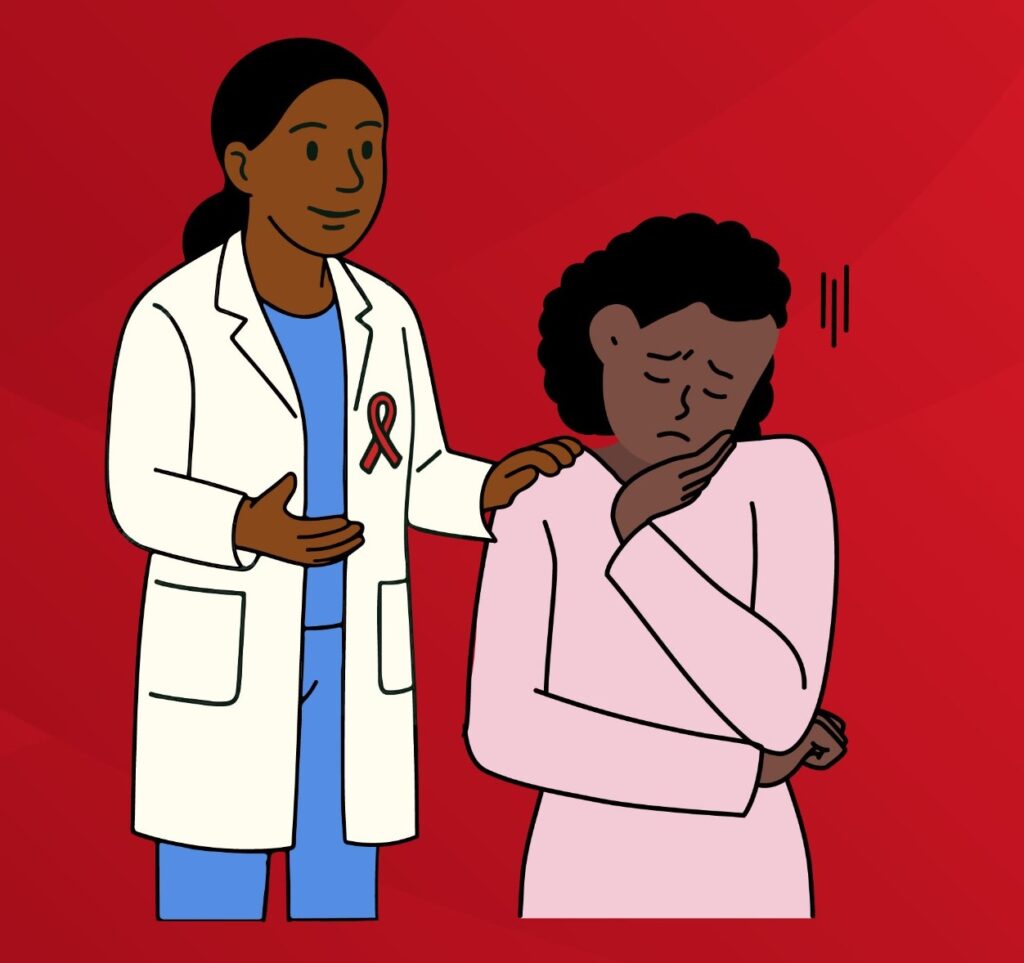
As the world moves toward the 2030 HIV targets, the session addressed one key issue often overlooked: mental health. Despite strong evidence showing that integrating mental health screening and treatment into HIV services improves adherence, care continuity, and overall well-being, many health systems continue to treat mental and physical health separately, impacting the lives of millions of people living with HIV (PLHIV).

The session highlighted the urgent need for whole-person care, emphasizing that mental health and wellbeing are critical components of effective and comprehensive HIV treatment. The speakers stressed that locally appropriate and evidence based approaches must be prioritized to close care gaps and ensure that no one is left behind.
The panel addressed how mental health challenges remain particularly serious for children, adolescents, and young people, with many experiencing depression and anxiety but lacking access to adequate care especially in resource limited settings. Presenters shared examples of promising innovations, including community led interventions, peer support systems, culturally tailored care strategies, and youth-designed digital tools.
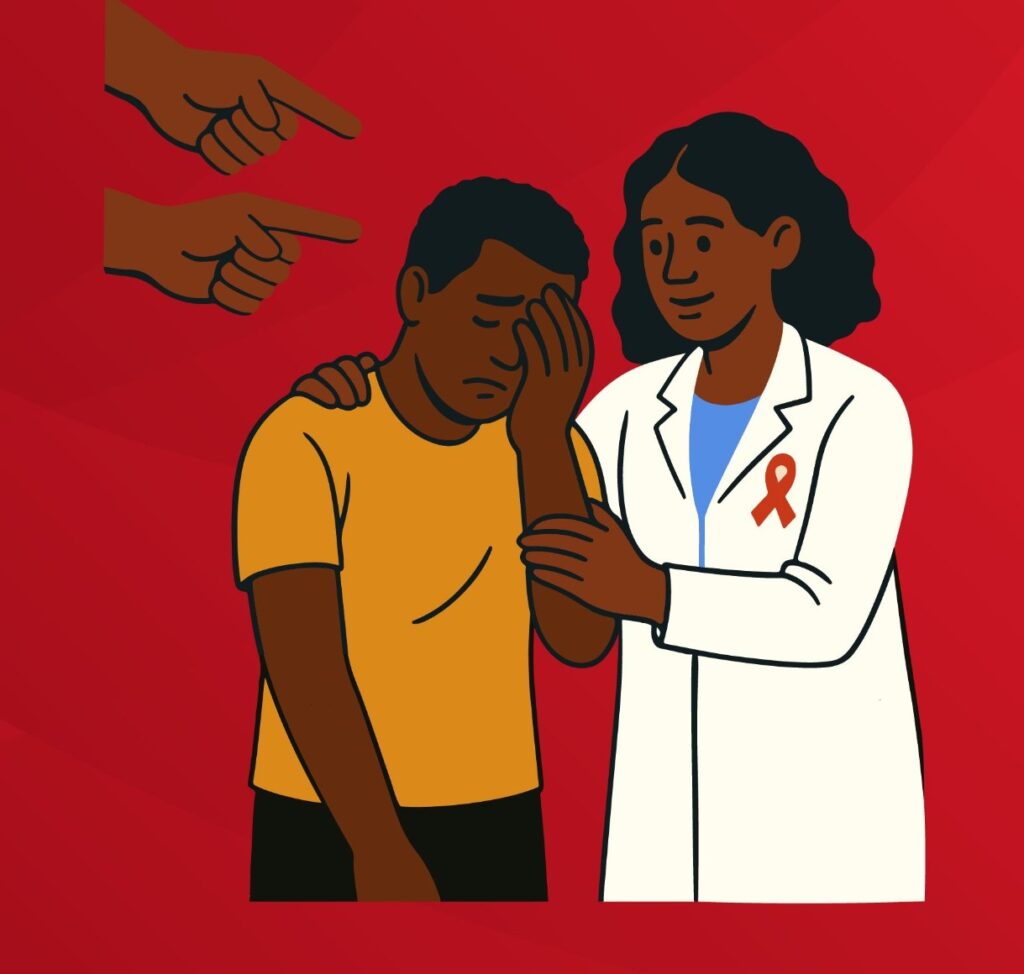
Three speakers: H. Vega-Ramirez, Mexico. D. Gishoma, Rwanda, and J. Etima, Uganda representing diverse regions shared practical strategies and policy recommendations for transitioning from isolated pilot projects to sustainable, system wide integration. They focused on building inclusive, stigma free models of care that recognize mental health as a basic right, not a luxury
The session concluded with a clear and urgent message: mental health must be integrated at every stage of HIV care. Achieving the 2030 targets requires attention not only to the virus but also to the emotional and psychological wellbeing of those affected. The time has come to invest in care that supports both the body and the mind.
Written by Jeannette Mutarutwa
Member of RRP+ Communication team