As the world prepares to mark World AIDS Day 2025, communities and different stakeholders in the HIV response across Rwanda and the globe are reflecting on a theme “Overcoming disruption, transforming the AIDS response.” that echoes deeply with current realities. This highlights both how much the HIV response has been challenged recently, and the existing potential to rebuild it, with a stronger, smarter, and more people-centered approach.
Beyond that, Rwanda will also mark World AIDS Day 2025, reflecting on a theme “Resilient Communities, Renewed Response.” that captures both the country’s spirit and its commitment to ending AIDS. This is also a powerful reminder that there is need to strive for more progress in the HIV response, through accelerated strength of government and its partners/stakeholders, and communities on how to adapt the situation.
Communities inspiring a new wave of change
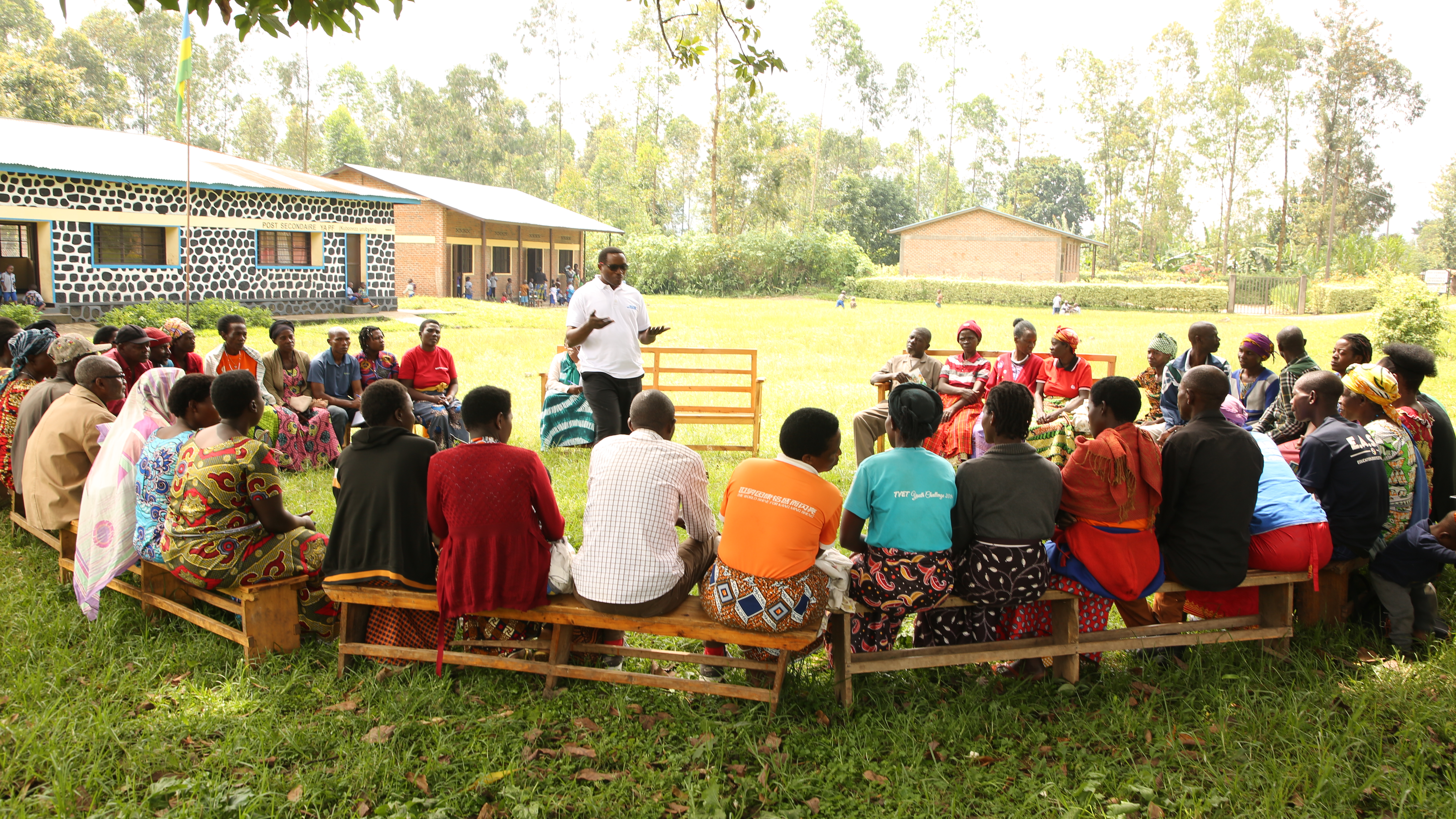
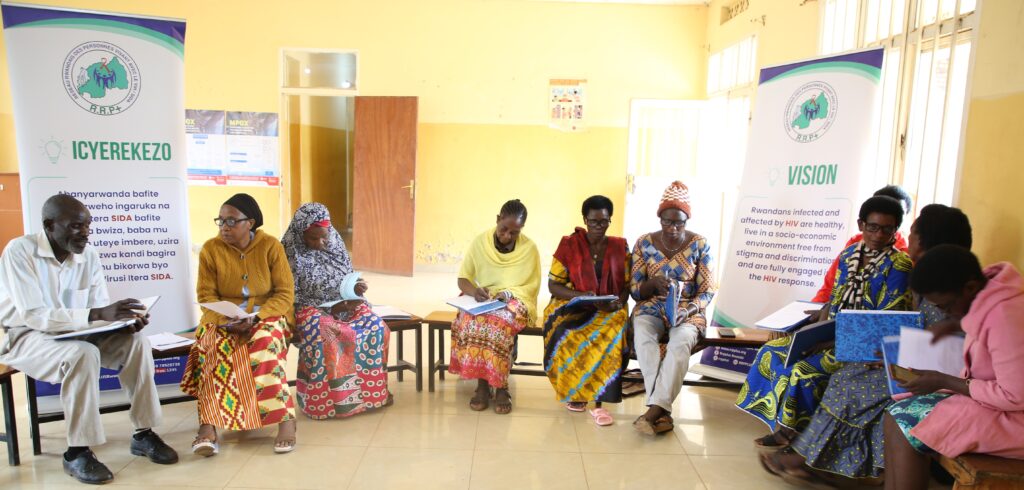
With global health emergencies and disruptions, Rwanda also faced challenges in HIV response. Some people living with HIV thought of temporarily stopping treatment, community outreach slowed, and others faced rising vulnerabilities. However, across Rwanda, community networks such as the Rwanda Network of People Living with HIV/RRP+, in collaboration with different stakeholders, through youth-led initiatives/ youth ambassadors have continued to reconnect clients to treatment, revive peer support groups, and use digital platforms to sustain sensitization efforts in HIV prevention.
Currently, there are 60 youth ambassadors affiliated to RRP+ and through peer discussions and sensitization campaigns, 35 people have been encouraged to return to treatment and care after previous interruption. Francine Mukashyaka 25, one of the youth brand ambassadors for U=U, narrates how she helped 10 people in Rusizi district-Kamembe sector, who had disengaged from treatment.
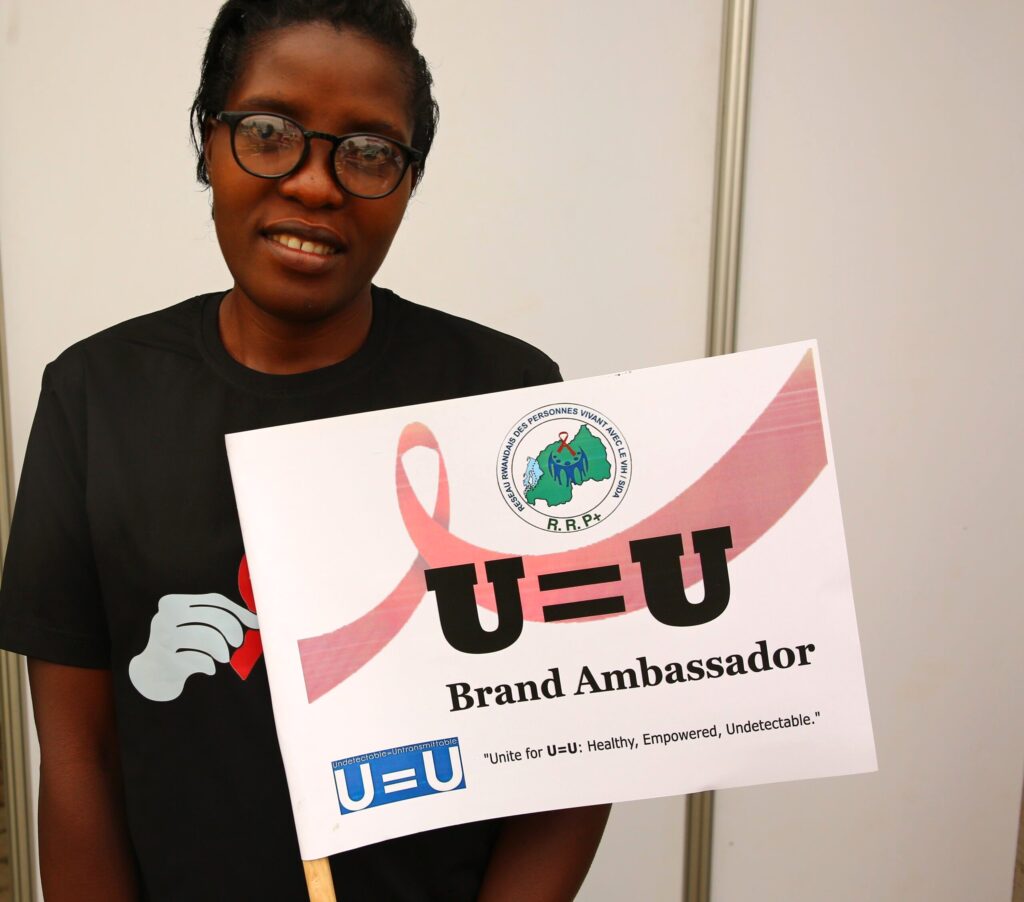
“I realized how some of my peers were sliding back due to stigma, not because they liked it, but because they had lost hope in life and acceptance of their status, with rumours that fund cuts would lead to scarcity of Antiretroviral treatment drugs. I had to engage them through direct conversations and phone follow-ups. Gradually, they returned to care.”, said Mukashyaka.
As a result of combined efforts, a total of 263 people have expressed how they have been directly impacted by sensitization campaigns done by these youth ambassadors during the fiscal year 24/25. Among them, 95 individuals went for HIV testing, while 35 people were encouraged to return to treatment and care after previous interruption.

In addition, 69 people embraced positive living and acceptance of their HIV status, and 10 discordant couples were supported to build thriving and trust-based marriages. The outreach also influenced behavioral and social change, where 4 young people living with HIV (YPLHIV) were motivated to return to school after dropping out, and 50 female sex workers adopted consistent condom use for safer sexual practices.
At the sector level, RRP+ peer representatives also continue to play a vital role in supporting People Living with HIV, offering encouragement, practical guidance, and emotional strength. Vincent Nzumvayezu is one of them representing RRP+ in Gatsata sector. His voice has carried the lived experience that helps others motivated to continue their treatment journey.
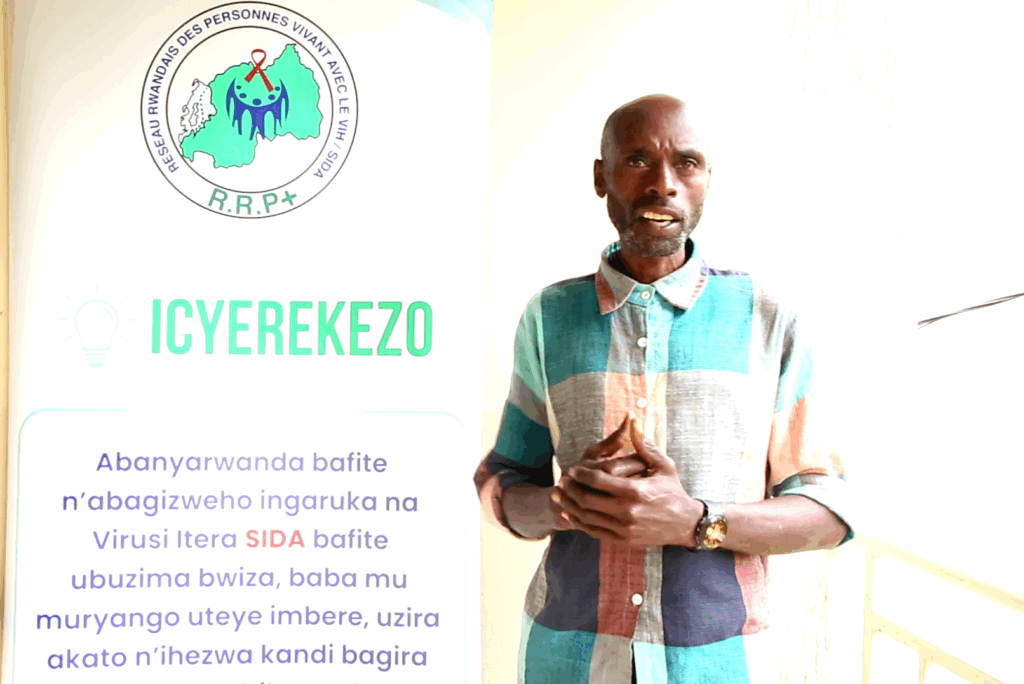
“Through peer discussions, we encourage people living with HIV that every dose you take is a step toward a healthier, brighter future. We strive to walk this journey with them, with a reminder that treatment is not a burden but a lifeline. Many have Stayed on medication, hopeful, and know that they are never alone.”, said Nzumvayezu.
In a short survey carried out by RRP+ following the U.S. funding cuts in HIV response, 87% of respondents showed concern and widespread anxiety about the sustainability of HIV treatment and care, sighting possible shortages of antiretroviral (ARV) drugs and other essential HIV services.
RRP+ boasts a strong network of more than 4,000 trained peer educators across the country, who play a crucial role in strengthening the HIV response at community level. These peer educators offer counseling and emotional support, guide clients through referrals to health facilities, and conduct home visits to ensure that no one is left behind on their treatment journey.
Partnership-Driven Response
Rwanda’s health sector and its partners have embraced this energy. The Ministry of Health, through RBC, and other implementers play a big role in strengthening differentiated service delivery, broader access to Antiretroviral Therapy and strengthened viral load monitoring.
Testified fact on bridging the Gap Between Communities and Care
At the frontline of HIV care, health facility staff also witness the powerful impact of peer educators in strengthening treatment continuity. According to Claudine Uwimbabazi, a nurse in charge of HIV department at Kacyiru hospital, the close connection with clients, combined with lived experience, allows peer educators to reach individuals who may have lost hope or stopped attending appointments.
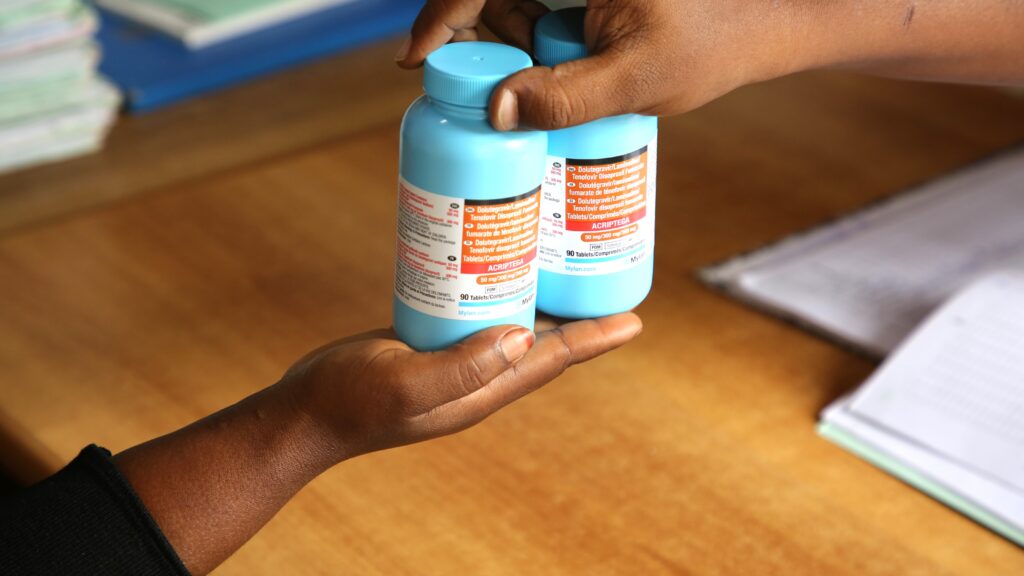
Uwimbabazi recalls how during the “back to care’ project one peer educator re-engaged 10 people in antiretroviral therapy, who are now show consistent adherence to treatment. Between July 2024 and June 2025, the initiative successfully re-engaged 225 Lost to Follow-Up. clients.
“Peer educators have been a bridge of trust between our health facility and the community. Many of the clients who had stopped treatment returned because peer educators reminded them that their health still matters. This shows that their role in bringing People Living with HIV back to care is truly invaluable.”, said nurse Uwimbabazi.
This year’s theme is a challenges on how best to turn lessons from disruption into plans for resilience; a call to the world to accelerate momentum toward the 2030 goal of ending AIDS as a public health threat. True transformation of HIV response will also require collective commitment from governments, donors, communities, and everyone who believes in health being a fundamental right.

16 Comments