
Amid the rolling green hills of Rwanda’s tea plantations, where thousands of workers begin their day from sunrise to sunset, efforts are underway to safeguard the health of these communities, ensuring that TB–HIV community interventions reach those who need them most.
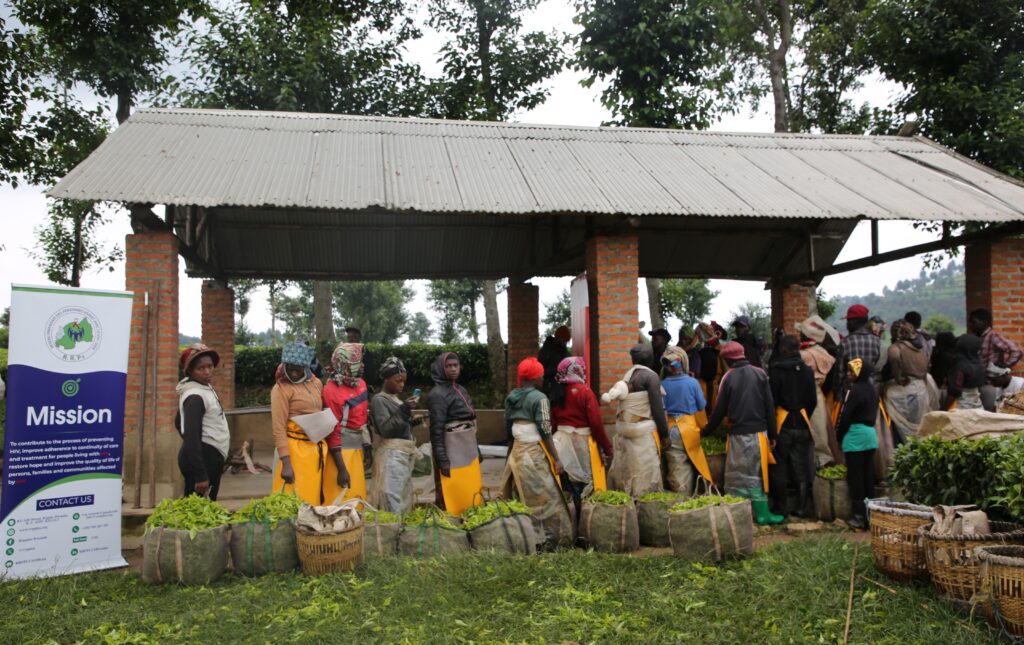
RRP+, along with Health facility staff, particularly nurses in the ARV and TB service have been engaged in field supervisions of peer facilitators working within tea estates. The tea estate workforce has been identified as a vulnerable group requiring targeted HIV awareness, prevention, and care services.
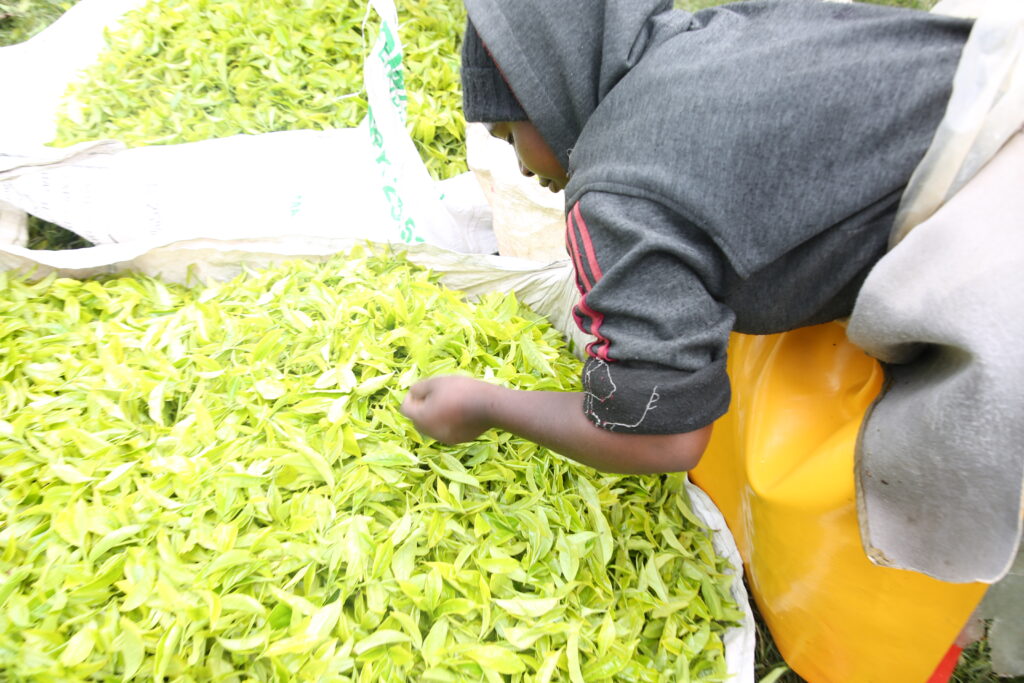
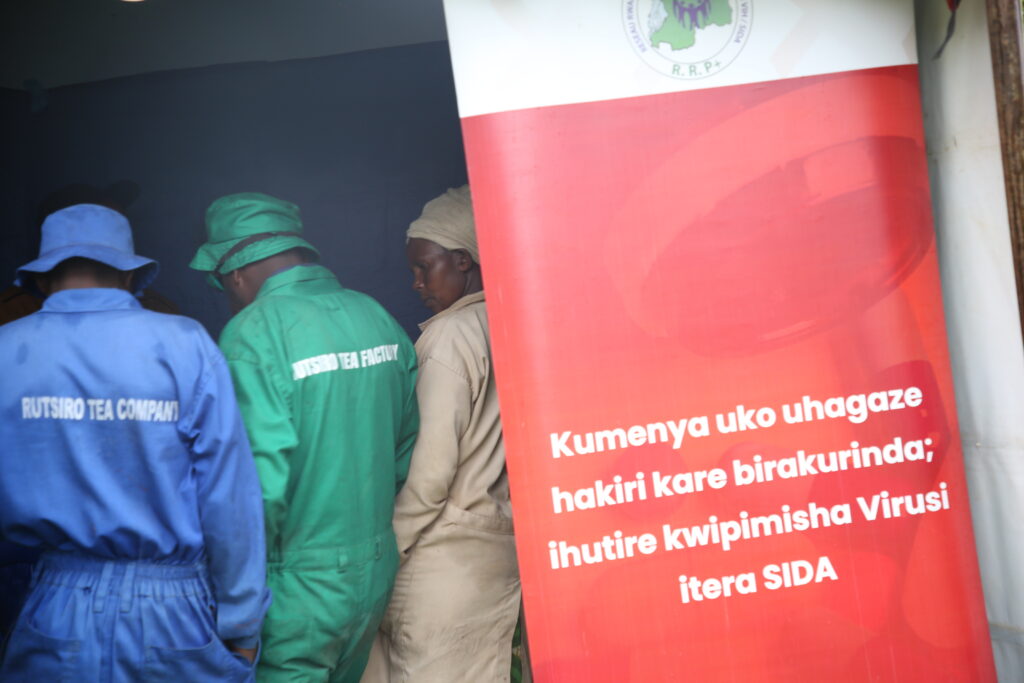
At Rutsiro tea factory, one of the renowned plantations, the manufacturing facility is not only a workplace but a big cluster of a living community. Over 800 workers (mainly tea pluckers), spend long hours in the fields, often far from health facilities, making access to timely health information and services a challenge.
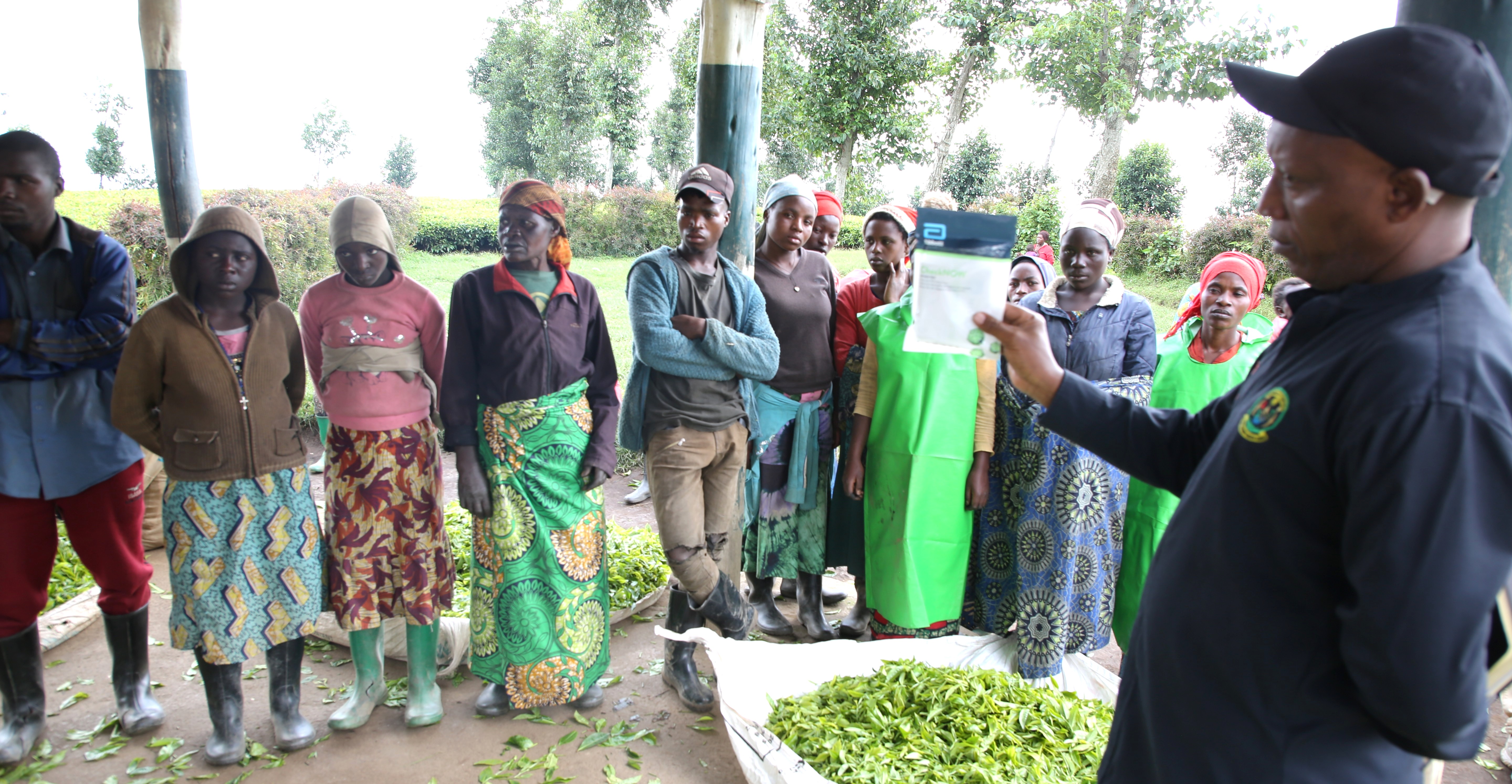
Recognizing this gap, trained peer facilitators, many of whom are tea workers themselves, serve as trusted links between health services and their fellow workers.
During recent supervisory visits, RRP+ teams walked alongside facilitators through the plantations, observing how they engage workers in small group discussions, providing guidance, on TB screening and HIV preventive measures.
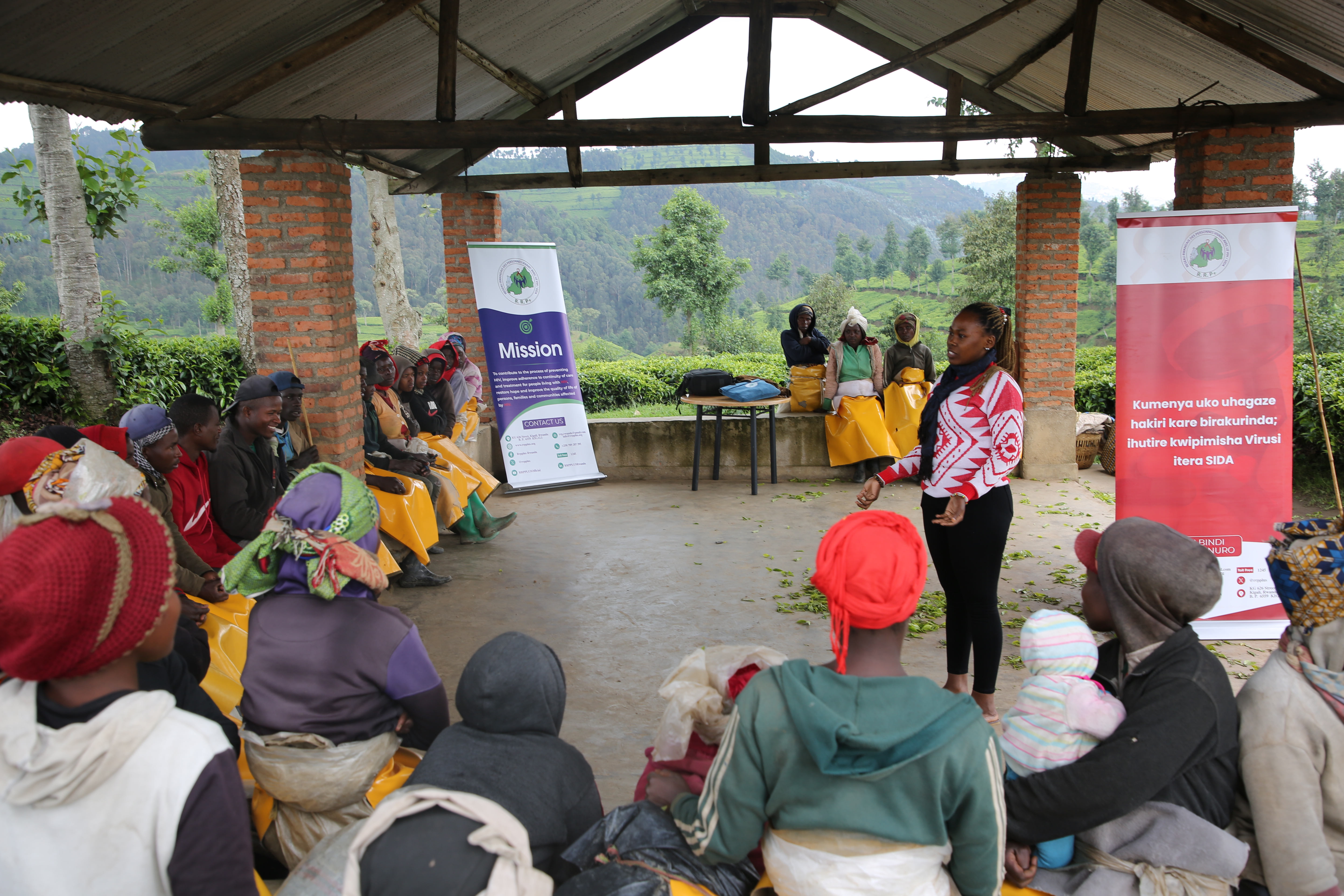
Under one of the green leaf weighing shade, waiting to go for a voluntary HIV test, during a lunch break, one of the tea pluckers appreciates the role of peer facilitators. He said that they have brought together colleagues for informal conversations about TB-HIV awareness, especially knowing their status through screening and the importance of completing TB preventive treatment.
“I feel happy because my fellow worker advised me on how to stay healthy,” he said. “Since we work together every day, and after knowing that he underwent peer training, I trust him, as my colleagues also do the same when he shares information about TB and HIV.”
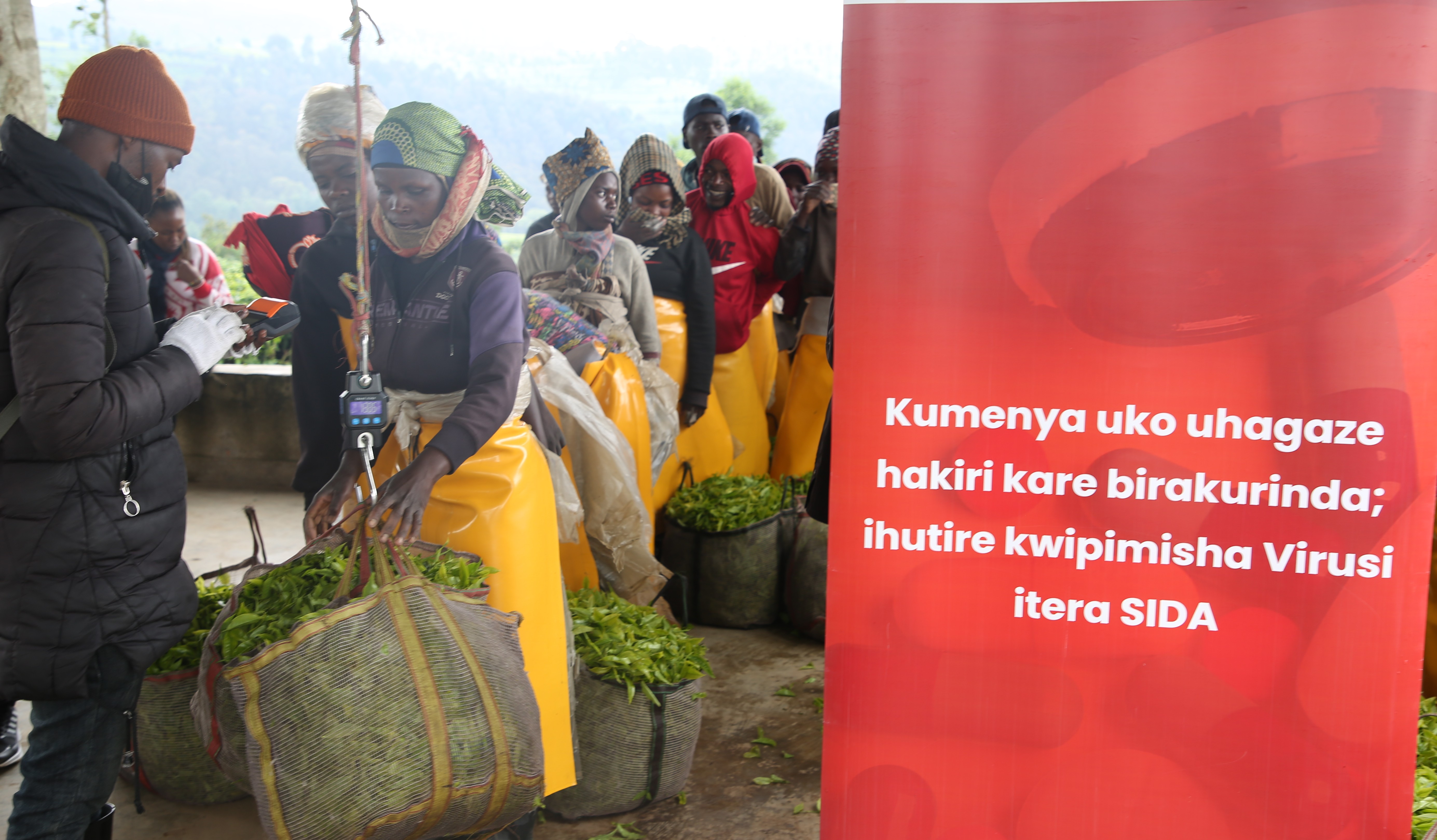
While addressing the tea communities, one of the brand Youth Ambassador on HIV prevention Diane Ishimwe encouraged them to take their health as strength by knowing their status, staying consistently on HIV treatment, so as to protect not only themselves but their families and the whole tea community.
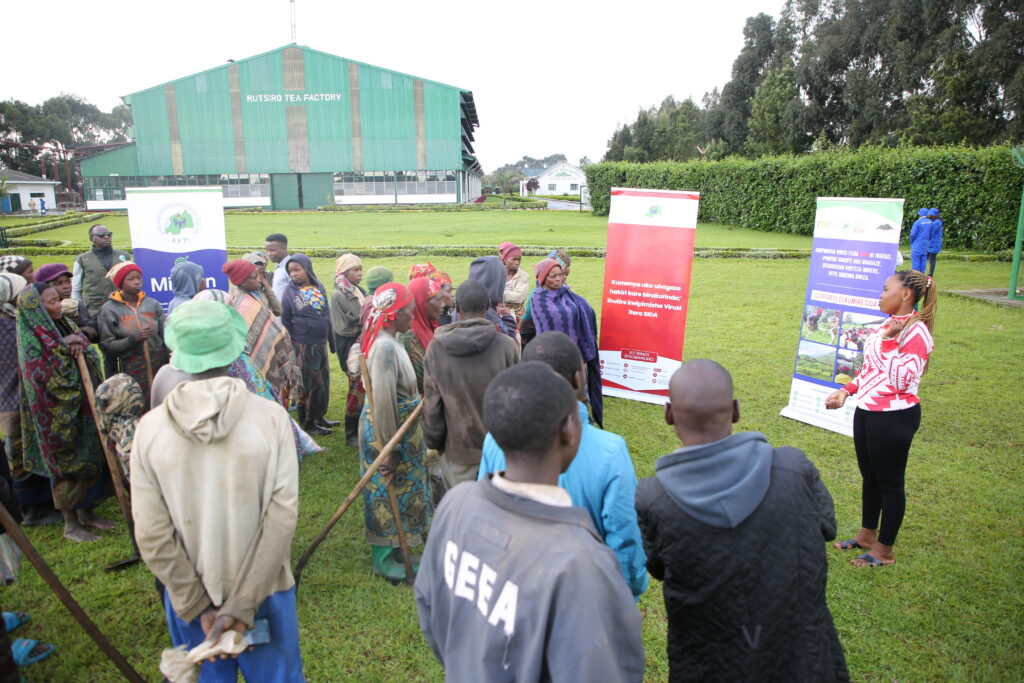
“I also encourage you to make these tea plantations places of productivity and protection, where everyone feels confident to get tested, adhere to treatment, and speak openly about TB and HIV without fear.”, Ishimwe added.
The integrated TB–HIV approach is especially critical in tea estates, where limited health awareness can delay diagnosis and care. By bringing services closer to the workers through peer-led engagement, this initiative is intended to help promote early detection, treatment adherence, and healthier workplaces.

10 Comments