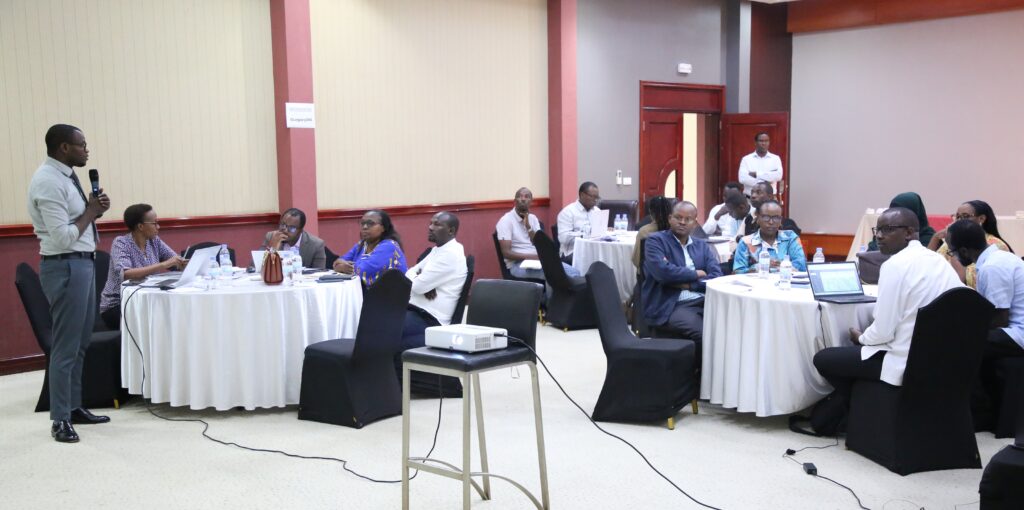
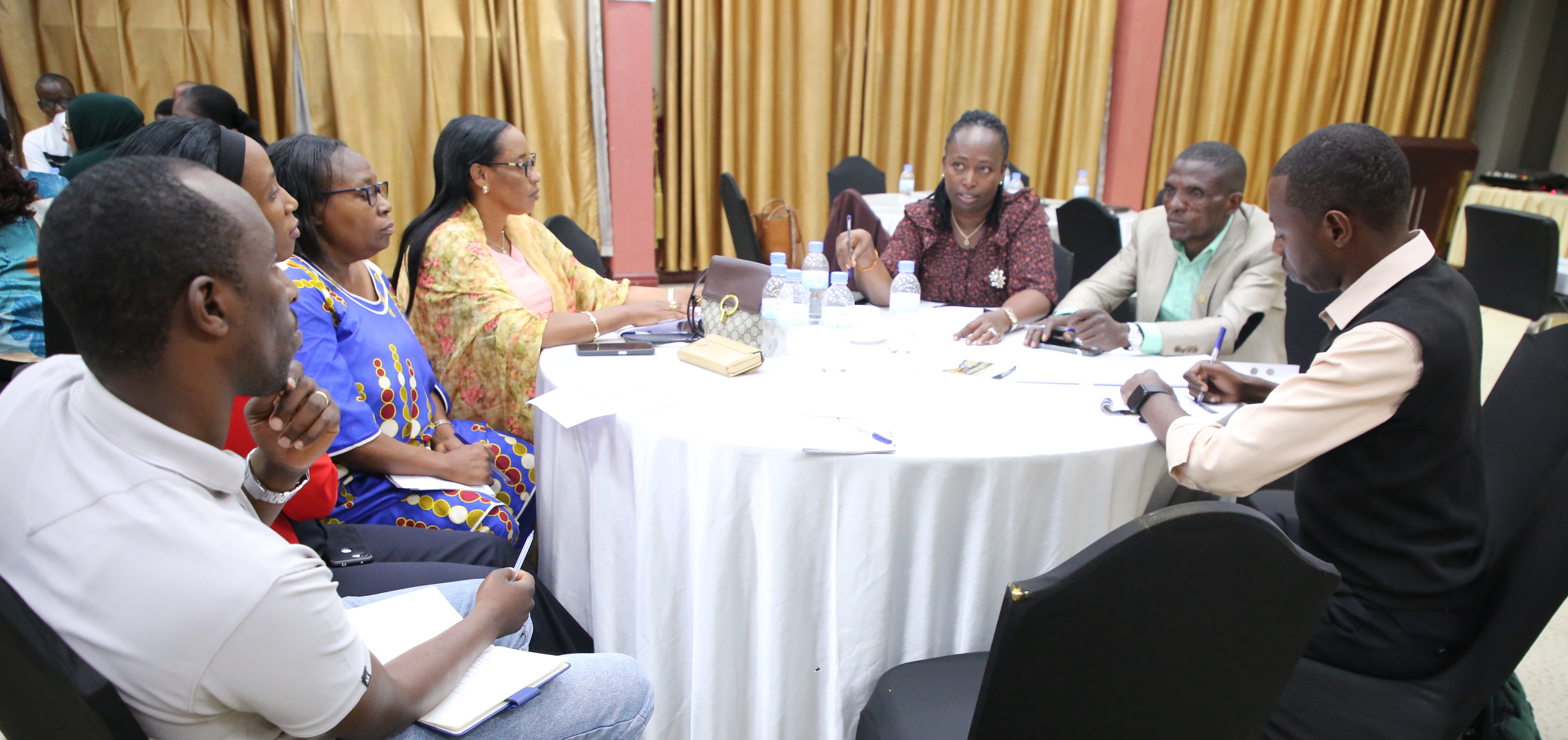
In a powerful step toward inclusive and stigma-free education, key stakeholders from government institutions, civil society, education bodies, and youth networks convened in Kigali for a multisector meeting, aimed at strengthening coordination and accountability to prevent HIV-related stigma and discrimination against learners living with HIV in Rwandan schools.
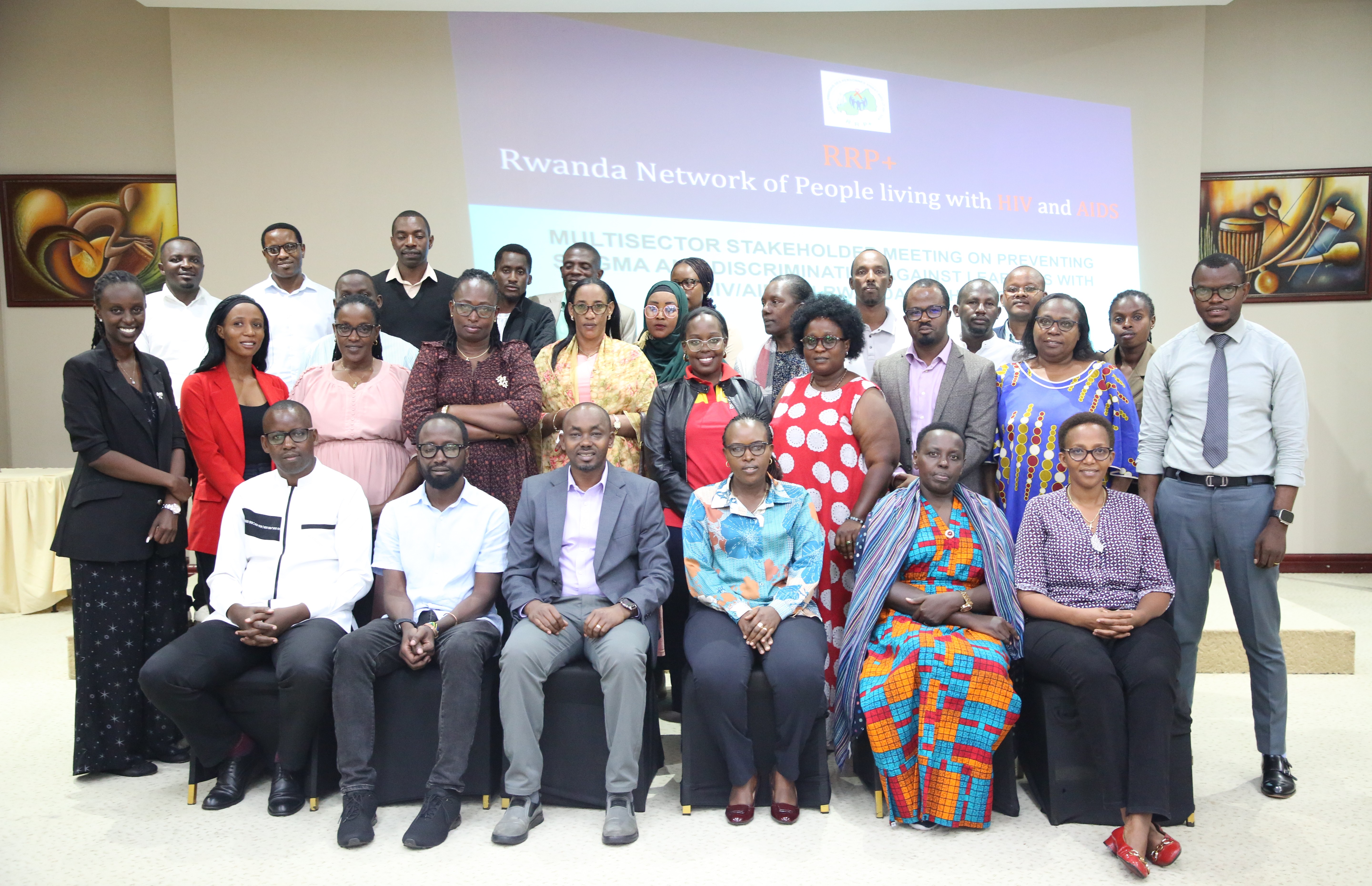
The meeting was organized by the Rwanda Network of People Living with HIV (RRP+), with support from UNAIDS Rwanda, in collaboration with key stakeholders including the Ministry of Education and the Ministry of Health/Rwanda Biomedical Center.
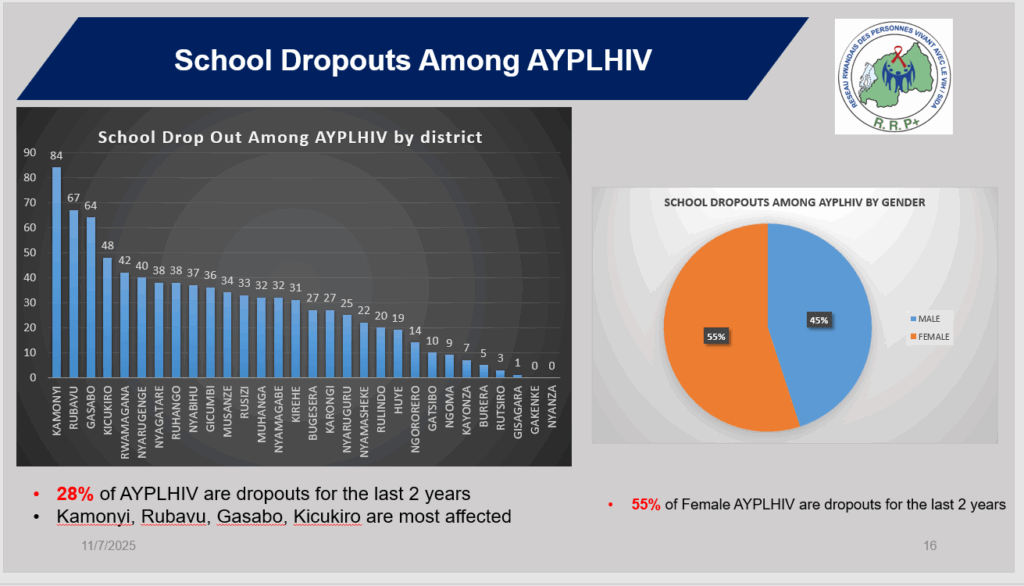
According to data Collected by the Rwanda Network of People Living with HIV/ RRP+ from 504 Health facilities in October 2025, there are 3,013 Adolescents and Young People Living with HIV (AYPLHIV); 28% of them having dropped out of school for the last 2 years. Kamonyi, Rubavu, Gasabo and Kicukiro districts are the most affected. Gasabo has a high number: 250 (8.2%)
Dr. Gisele Mujawamariya, Head of the HIV Treatment and Care Division at the Rwanda Biomedical Center, acknowledges that they are aware of the stigma and discrimination faced by students living with HIV. She also affirms that they continue to raise awareness to ensure that programmes to address challenges among these young people are fully implemented as intended.
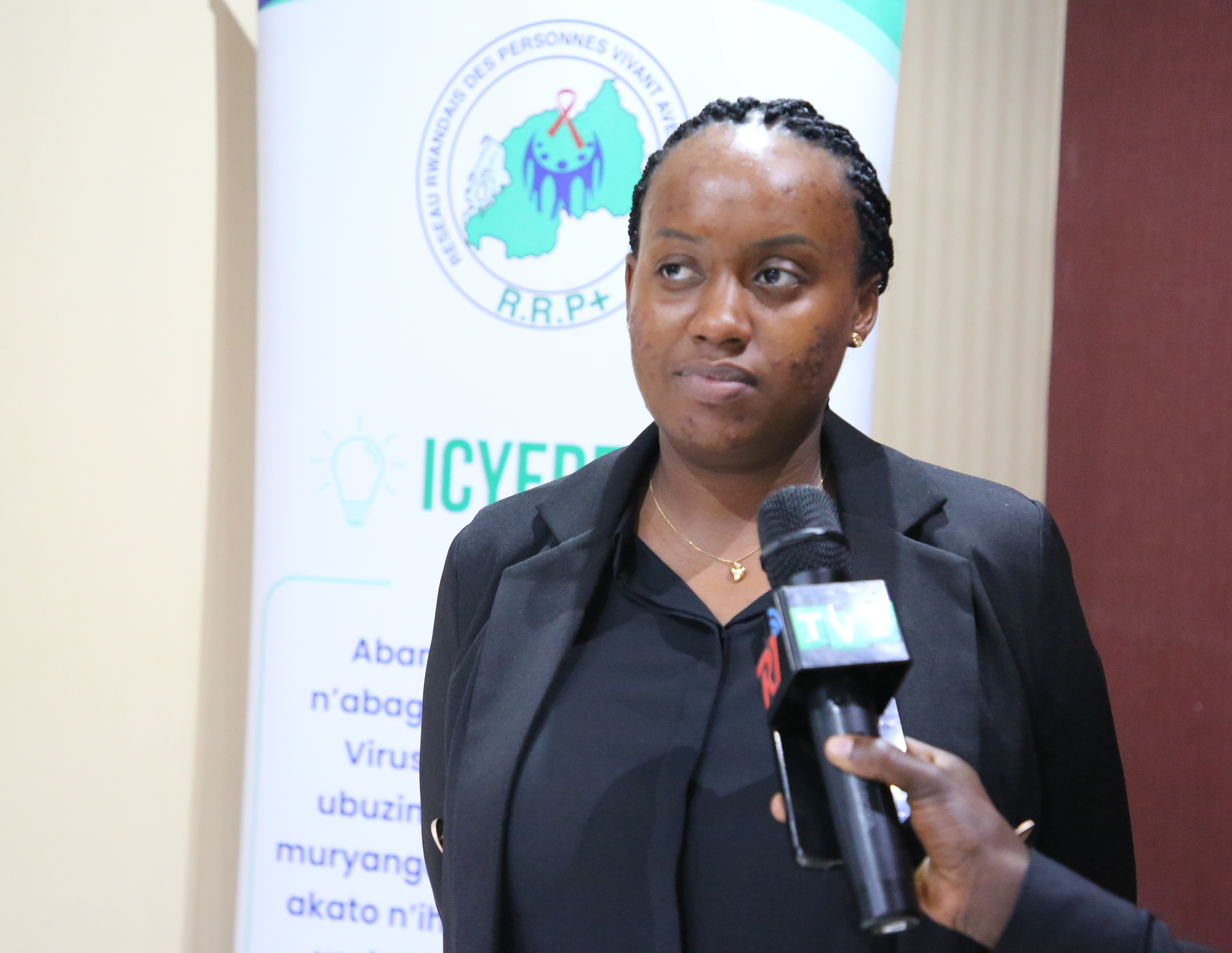
She said: “As a programme responsible for fighting HIV, the first thing we do is to conduct community awareness. We train school leaders and other partners we work with at the level of health facilities, we encourage them to go into schools to educate those we have not been able to reach. We are aware of the issue of stigma and discrimination in schools. The data showed us early on that despite the overall progress we proudly report towards global targets, most of this progress is seen among adults. When it comes to young children, adolescents, and school-aged learners, we are still behind.”
On the side of the Ministry of Education (MINEDUC), officials say they were aware of the issue, but did not fully imagine its magnitude. However, after noticing the number of learners who dropped out of school due to stigma and discrimination, they say they are committed to working together with all relevant institutions to ensure the problem is resolved and that those who dropped out are supported to return to school.
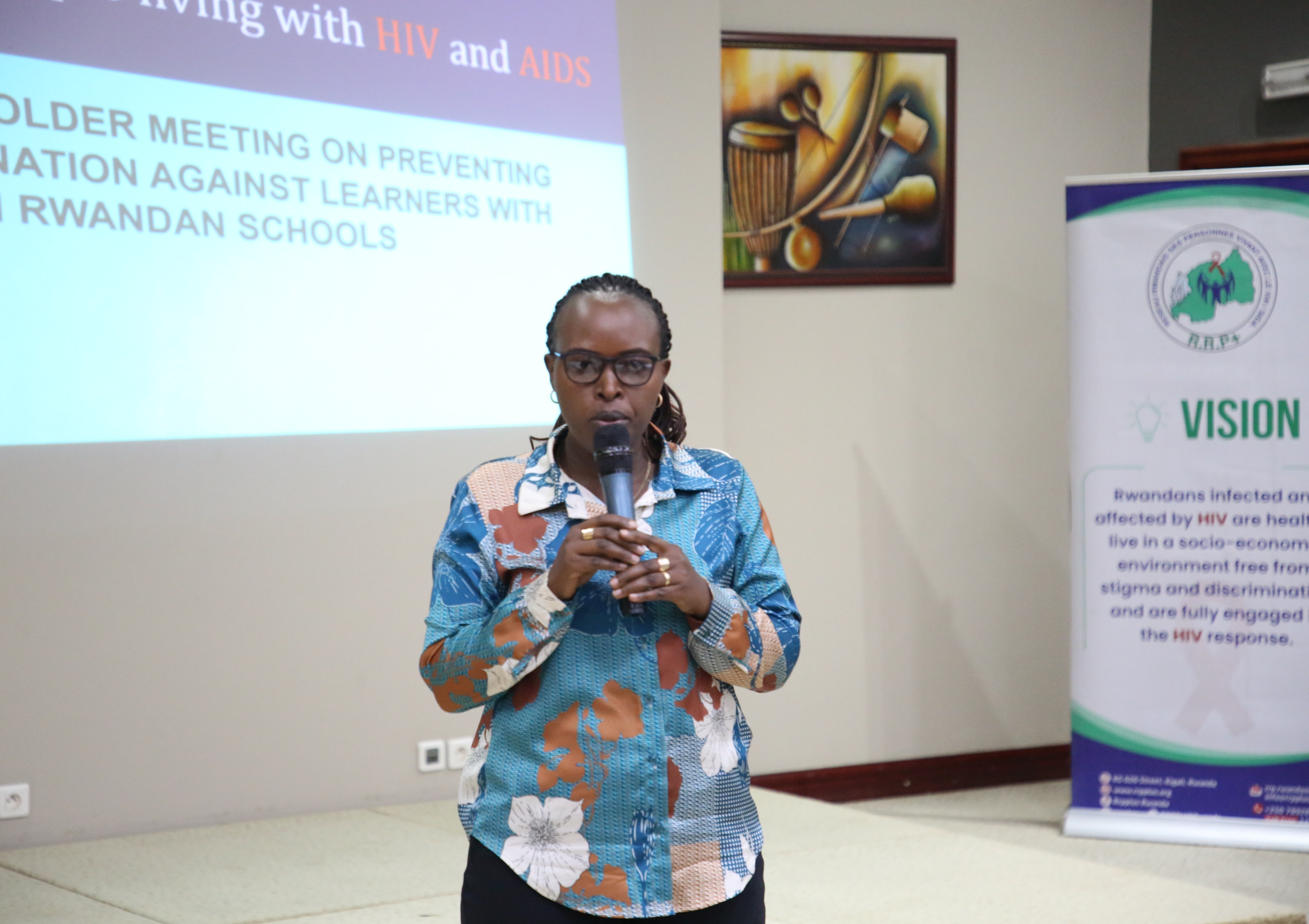
Sylvie Uwimbabazi, Cross-Cutting Programs Specialist at the Ministry of Education, confirms that the ministry did not previously have the data presented to them, but it has given them a clear picture of the scale of the problem. She assures that the Ministry will do everything possible and work closely with all relevant stakeholders to ensure the issue is resolved in the near future.
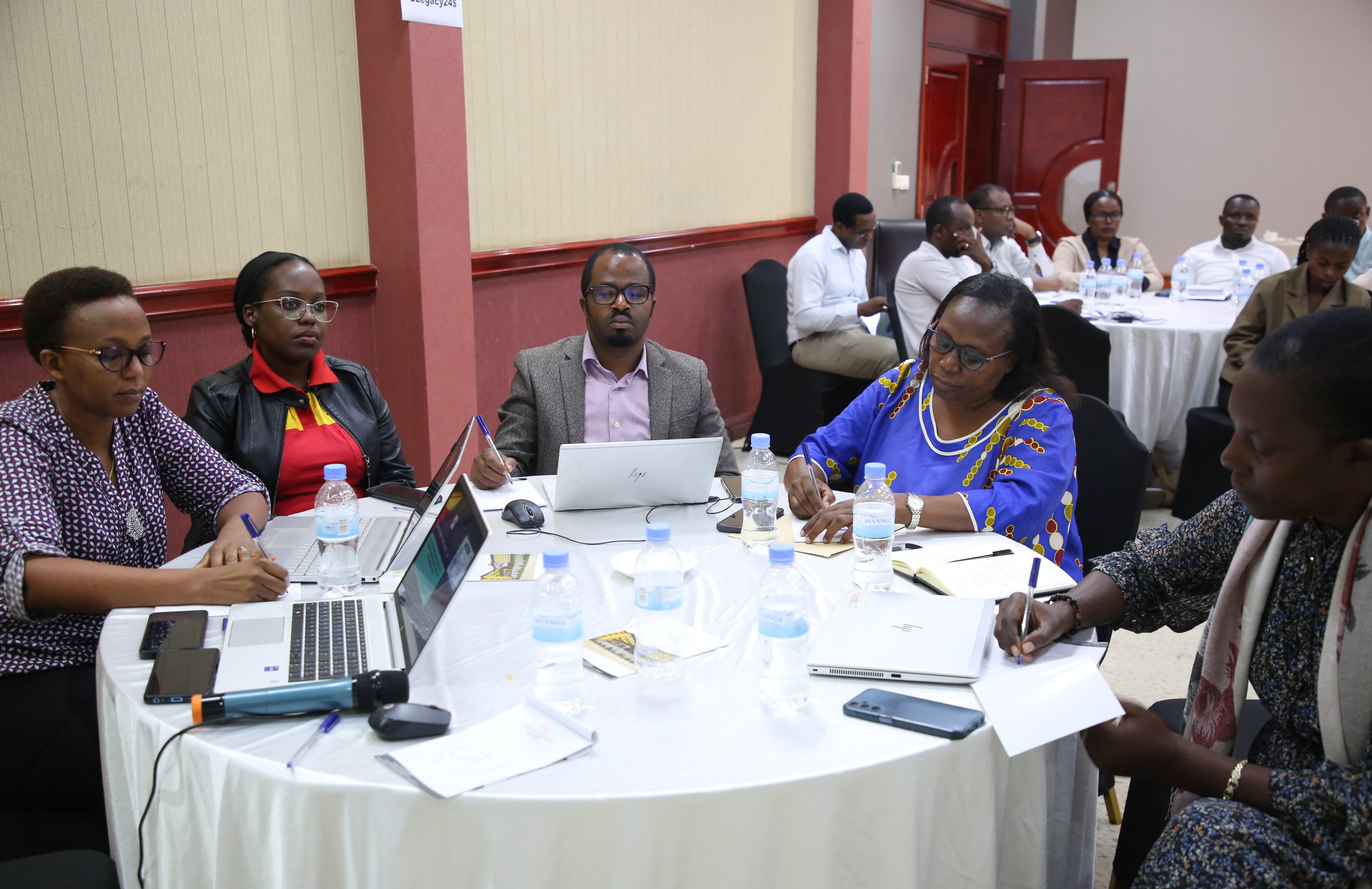
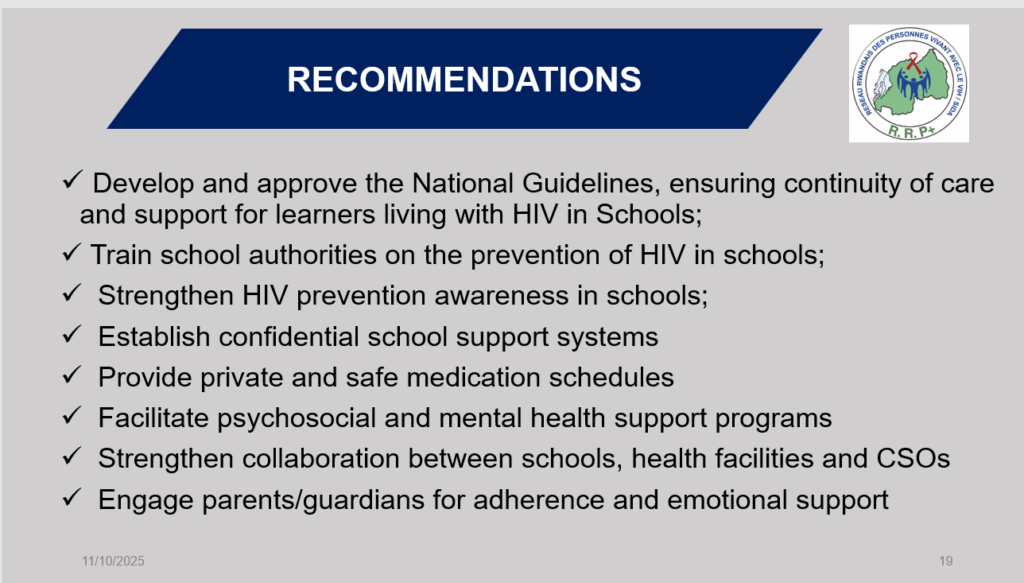
According to the data collected, learners living with HIV face many challenges including lack of privacy for learners with HIV through school checking points & keeping medicine, stigma and discrimination, fear of HIV status disclosure, poor medication adherence due to school routines, limited psychosocial and mental health support and lack of HIV knowledge among students.
Speaking during the meeting, the Executive Secretary of RRP+, Dr. Deo Mutambuka, said that the reason they brought different stakeholders together is to find a lasting solution that can completely eradicate stigma and discrimination against children living with HIV.
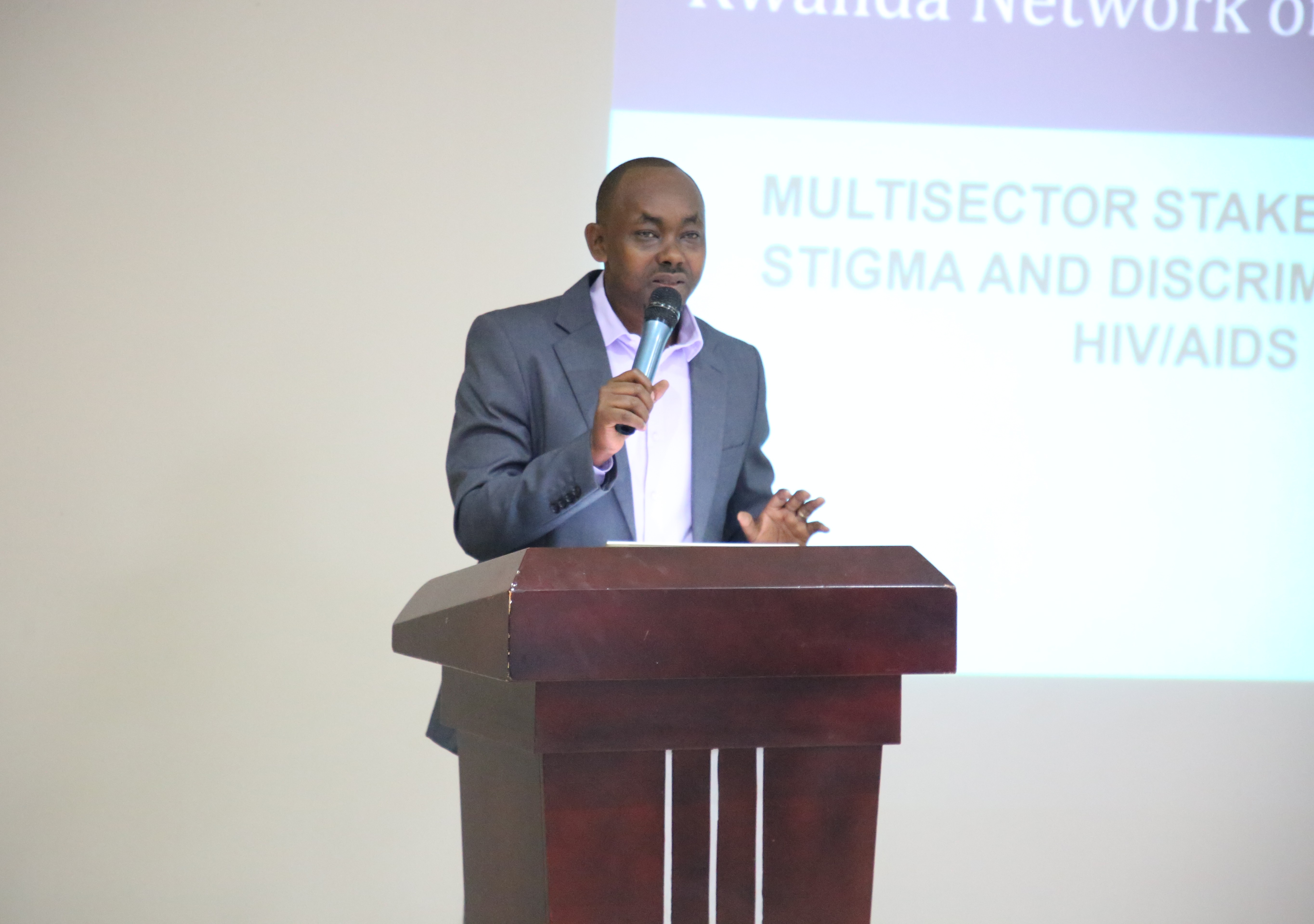
“One of the reasons we conceived this initiative is that we realized the need to understand the situation of children living with HIV in schools, because a study conducted in 2020 showed that stigma is still very high, to the extent that a child cannot study effectively in such a difficult environment. That is why we decided to carry out research, and as you have seen, nearly 28% of school-going children living with HIV have dropped out of school in the past two years. This is why we thought of bringing together the Ministry of Health, the Ministry of Education, and affiliated institutions such as RBC and REB, so we can jointly find solutions and ensure that children who have dropped out are supported to return to school.”, Said Dr. Mutambuka.
Jean Leonce Afazari is one of the RRP+ Youth Ambassadors who testified how he was treated differently because of his HIV status, which precipitated him to change schools many times.
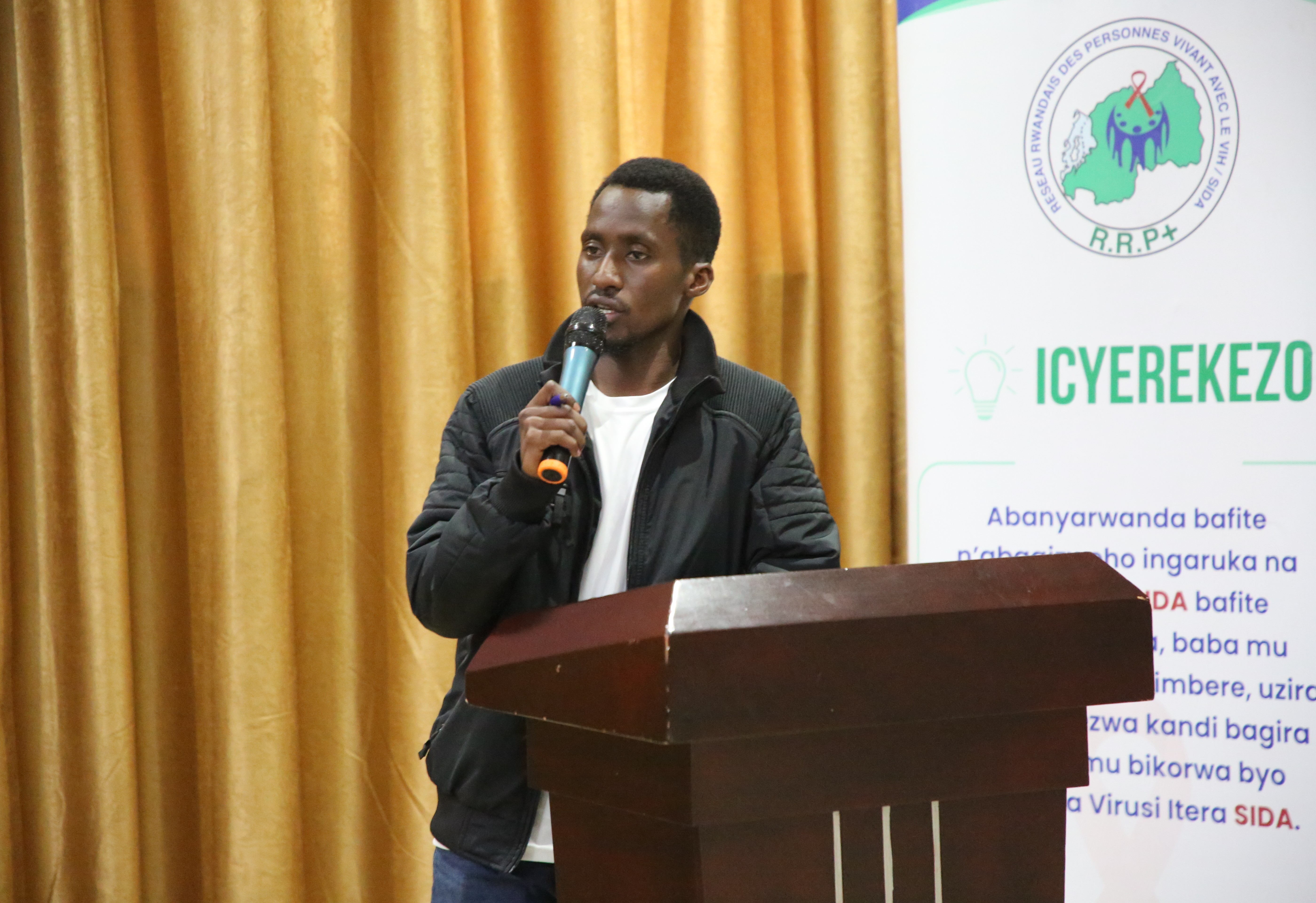
“Some of my schoolmates made me feel like I didn’t belong. Time came when I dropped out of school because the pain of stigma was heavier. Eventually I started changing schools and held on till I completed by studies. Today, I would like to tell every learner living with HIV to know that your status doesn’t define your future, but your courage does.”, Afazari added.

19 Comments